
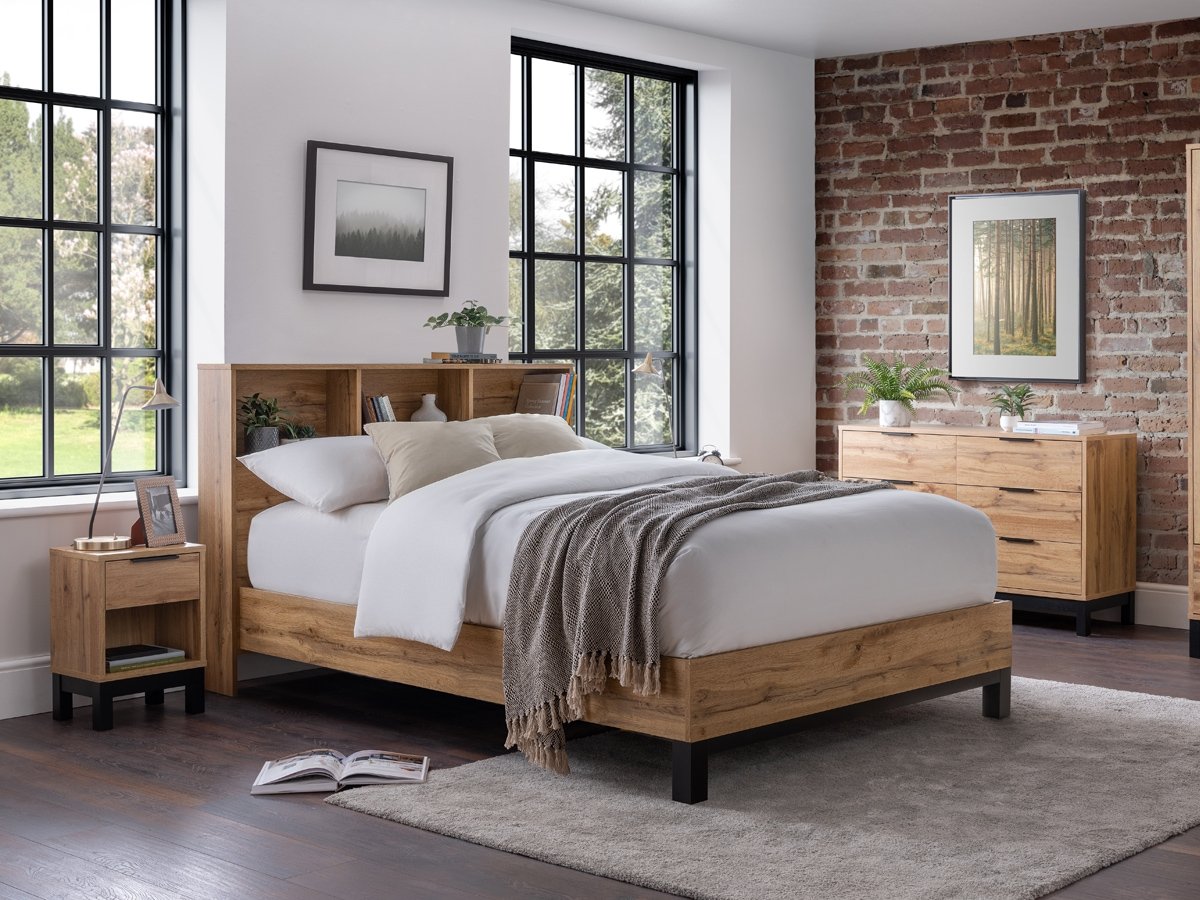
Your neutral bedroom is about to become the star of 2026. Forget everything you think you know about “boring” neutrals – these sophisticated spaces are having a major moment.
Why the sudden shift? Your bedroom design priorities are changing. Rather than chasing fleeting trends, you’re focusing on what actually matters: spaces that feel personally yours and support your wellbeing. Neutral bedroom design is stepping up to meet this demand, embracing rich, grounding colours that tell your story.
Think warm, earthy terracotta tones that bring timeless elegance to your space. Or consider those smoky blue-green shades like Behr’s ‘Hidden Gem’ that instantly create a serene atmosphere. The key difference? These aren’t just colours picked from a trend report. They’re shades chosen for meaning and mood, pieces that feel personally curated rather than bought in a single shopping trip.
What does this mean for your bedroom? You get to celebrate your individual style without sacrificing the calming essence that makes neutral spaces so appealing.
Pinterest is already spotting the direction we’re heading. Their predictions point to a ‘neo deco’ vibe taking hold by 2026 – think sleek, shiny twists on classic styles. But don’t worry about losing warmth in your space. Actually, warm neutral bedroom ideas featuring medium to dark wood tones are overtaking those stark grey and white schemes we’ve been seeing everywhere. Your bedroom gets to feel both grounded and sophisticated.
Ready to discover why your neutral bedroom will be the ultimate design statement of 2026?
The Rise of Neutral Bedroom Design in 2026
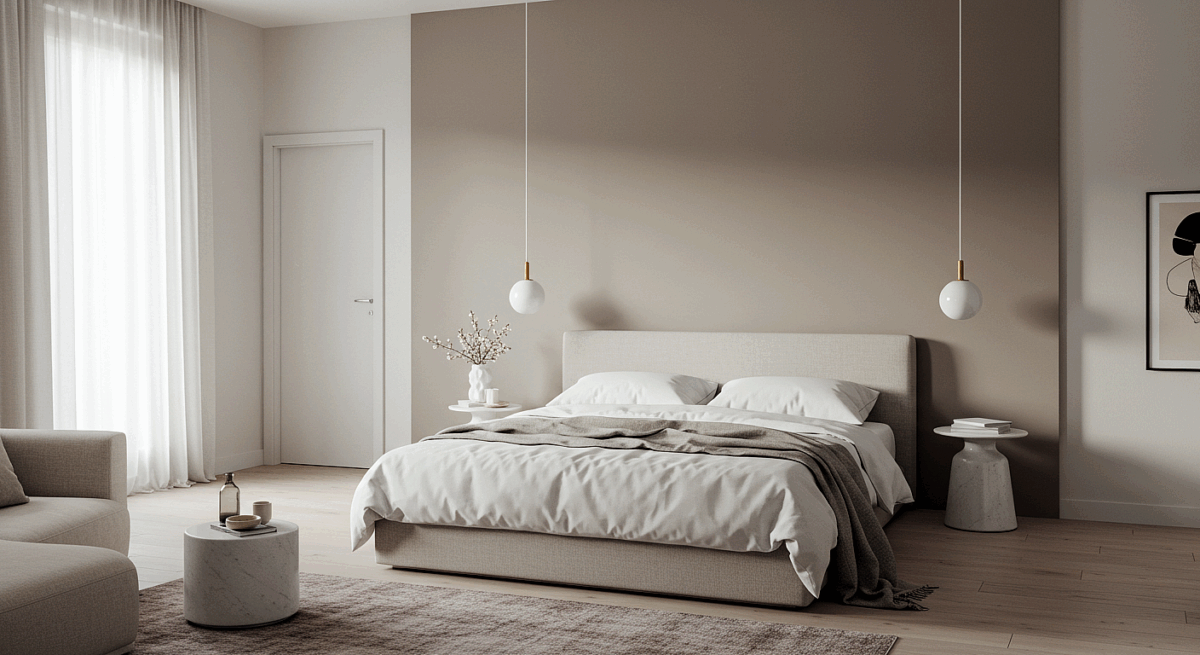
Image credit: Neutral bedroom décor, with a warm beige divan bed.
What’s driving this neutral bedroom revolution? The answer lies in how these spaces have completely reinvented themselves. Gone are the days when neutral meant bland or uninspiring. Today’s neutral bedrooms are thoughtfully curated sanctuaries that balance serenity with genuine personality.
Why neutrals are no longer boring
Here’s the truth about neutral bedrooms: they’re only as interesting as you make them. Successful neutral spaces come alive through strategic layering and depth. Design experts put it perfectly: “Neutral rooms need complexity to be special – picking everything in a matchy-matchy shade will fall flat.”
The secret? Combine varied textures throughout your space. Think smooth linens against rough wool, matte walls beside glossy surfaces, and velvet cushions atop cotton upholstery. Don’t forget to add touches of contrast through black accents – these provide visual anchors that prevent neutral rooms from feeling weightless.
Natural materials bring essential warmth to your neutral bedroom. Wooden furniture, stone surfaces, and indoor plants add those grounding, earthy qualities that make spaces feel inviting instead of clinical. This textural diversity creates visual interest without needing bright colours.
The shift from minimalism to mood-setting
Neutral bedroom design has evolved far beyond sparse minimalism. Rachel London from Lick explains: “We’ve seen a move away from futuristic, white-on-white minimalist decor and towards a yearning for spaces that burst with comfort and character.”
Today’s neutral bedrooms focus on creating emotional resonance – spaces that feel timeless instead of merely looking timeless. Designer Krista Hermanson calls them “snuggle spots” – places perfect for relaxation and comfort. This approach balances cleanliness with cosiness, offering both visual calm and emotional warmth.
How Pinterest and designers predict the trend
Pinterest forecasts show neutral bedroom design will dominate 2026, with emphasis on “calm tones, layered texture, and furniture that is practical and elegant simultaneously.” Design professionals are moving toward “new neutrals” – colours that function as neutrals whilst having more character than traditional beiges and greys.
Interior designer Simone Gordon identifies soft green as the emerging neutral for 2026: “These tones pair beautifully with natural textures and warm timbers, offering subtle colour without overwhelming the design.” Other designers highlight muted blues and rich browns as alternatives that provide greater depth than conventional neutral palettes.
The consensus? 2026 will see neutral bedrooms becoming more understated yet infinitely more interesting – creating spaces that feel authentic, timeless and grounded.
What makes a neutral bedroom actually special?
Your neutral bedroom needs the right ingredients to avoid feeling flat. These key elements separate sophisticated spaces from boring beiges.
Texture is everything
“Layering warm neutrals in interior design is an art that marries comfort with sophistication,” explains designer Ginger Curtis. She’s absolutely right. Your neutral bedroom should never feel one-dimensional – it needs varied textures like bouclé, linen and wool to create visual depth.
The most inviting neutral bedrooms pair opposites: rough-hewn wood with smooth glass, reflective metals with matte surfaces, plush throws against crisp cotton sheets. These tactile contrasts prevent monotony without needing bright colours.
Earth tones bring warmth
Gone are the cool greys of previous years. Your modern neutral bedroom embraces sandy beiges, soft terracotta, muted olive greens and gentle taupe. These colours evoke natural materials – think sunbaked stone, weathered timber, and natural clay.
Start with neutral walls as your backdrop, then layer complementary earth-toned textiles and accessories for a cohesive look that feels both grounded and sophisticated.
Statement pieces that don’t shout
Want to add personality without overwhelming your space? Follow the 80/20 rule – approximately 20% of your room features statement elements while 80% remains more subdued.
A curved headboard upholstered in natural linen or a sculptural chair in neutral bouclé can serve as your focal point. Consider scale and proportion when selecting statement pieces, ensuring they balance with your room’s overall dimensions.
Curved forms create calm
Here’s something fascinating: research confirms curved elements create psychological benefits. A 2012 study found interior settings with rounded contours promote higher relaxation levels compared to angular shapes. This science explains why curved furniture feels inherently calming in bedrooms.
Your lighting plays an equally crucial role. Choose diffused options like alabaster plafonniers or fabric lanterns that create a dappled effect, softening your bedroom’s ambiance while adding architectural interest.
How Neutral Bedrooms Support Wellness and Functionality
Your neutral bedroom isn’t just about looking good – it’s about feeling good too. These thoughtfully designed spaces offer real wellness benefits that turn your bedroom into a proper sanctuary.
Creating calm with colour and light
Why do neutral colour schemes work so well for bedrooms? They enhance natural light, create an illusion of spaciousness, and establish a soothing environment – exactly what you need for quality rest. These palettes have a documented calming effect on moods, giving you that much-needed escape from daily stress.
The lighting in your neutral bedroom matters more than you might think. Experts recommend soft white lighting between 2700-3000 Kelvin for optimal relaxation. Skip the harsh overhead fixtures that strain your eyes. Instead, layer your lighting sources – bedside lamps, reading lights, even carefully placed candles create a gentler ambience that supports your body’s natural sleep rhythms.
Zoning for sleep, work, and relaxation
Does your neutral bedroom need to work harder these days? You’re not alone. Today’s homes often mean your bedroom has to accommodate sleep, work, and relaxation – all in one space.
Smart zoning becomes essential here. Multi-functional furniture like foldaway side tables or desks help you conceal work equipment when it’s time to wind down. Fitted wardrobes with ceiling-height storage keep technology and work devices out of sight, maintaining your room’s peaceful atmosphere. This thoughtful organisation allows your mind to properly disconnect from work stress during rest periods.
Performance bedding and ergonomic furniture
Quality bedding and supportive furniture form the foundation of any truly functional neutral bedroom. There’s no compromising on a premium mattress – it’s essential for restorative sleep. Natural materials for bedding, duvets and pillows improve sleep quality whilst perfectly complementing your neutral palette.
Ergonomic bedroom furniture serves a dual purpose in your space. It supports your body’s natural posture to reduce health issues whilst enhancing the room’s aesthetic appeal. These thoughtfully designed pieces prevent muscle tension and discomfort, ultimately promoting better sleep and overall wellbeing.
Your neutral bedroom becomes more than just a place to sleep – it becomes a space that actively supports your health and happiness.
How to Style Your Perfect Neutral Bedroom for 2026
Ready to create your own neutral bedroom masterpiece? These expert tips will help you craft a space that’s both peaceful and full of character.
Mix wood tones like a pro
Forget those old design rules about matching everything perfectly. Using multiple wood tones actually adds richness to your neutral bedroom. Start by identifying your dominant wood tone – usually your flooring or largest furniture piece – and use this as your foundation. The secret? Match the undertones of your wooden elements rather than trying to match exact shades.
Here’s a simple trick: aim to include each wood tone at least twice throughout your room. This repetition creates intentional harmony rather than looking random. Keep darker woods lower (think bed frames) and lighter finishes higher (shelving, wall décor) so your space doesn’t feel top-heavy.
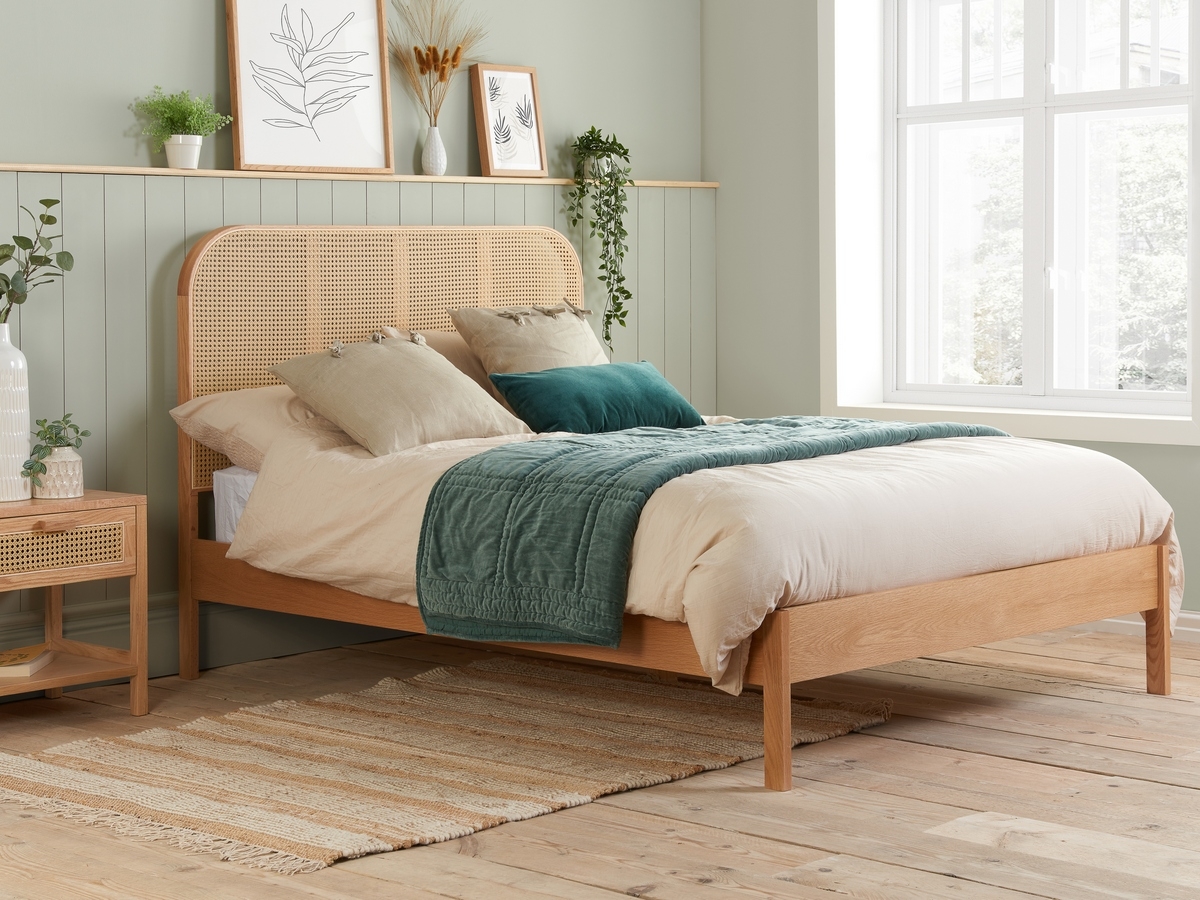
Image credit: Birlea Margot 4FT 6 Double Wooden Bed – Oak. Priced £559
Don’t stop at wood. Natural materials like linen, rattan, and stone add essential authenticity that synthetic alternatives simply can’t match.
Choose your neutral palette wisely
Your room’s orientation makes a huge difference to how colours appear. North-facing rooms benefit from warmer neutrals that counterbalance cooler light, while south-facing spaces can handle cooler tones without looking harsh. Before you commit to any wall colour, test samples at different times of day using roller testers on A4 sheets placed around your room.
What mood are you after? Lighter neutrals create the illusion of more space, whilst deeper tones add warmth and intimacy. For a truly streamlined look, apply the same neutral to walls, ceiling and woodwork – this clever technique blurs boundaries and makes rooms appear larger.
The beauty of neutrals? They’re exceptionally versatile, perfect for bedrooms where you might want to update accessories seasonally without repainting.
Add personality without the chaos
Personal touches prevent your neutral bedroom from feeling generic. Incorporate treasured artwork, vintage finds and sculptural accessories that complement your chosen palette. Consider one statement piece of furniture – perhaps a uniquely shaped headboard or an elegantly curved chair. Follow the 80/20 principle: approximately 20% statement elements with 80% more subdued pieces.
Patterns can add dimension without disrupting your neutral aesthetic. Try geometric designs or subtle organic patterns in complementary shades. For modern appeal, layer different patterns in coordinating tones – mix a bohemian rug with floral bedding and striped pillows, unified by their shared colour story.
Beat the flatness trap
The biggest pitfall of neutral bedrooms? Looking flat and lifeless. Combat this with varied textures throughout – rough beside smooth, matte against glossy, plush next to crisp. This textural diversity creates visual interest without needing bright colours.
Try colour layering to add depth. Start with a soft base like ivory or off-white, then build up with mid-tones like sand and taupe, finally adding touches of deeper shades such as mushroom or light brown. This creates subtle visual rhythm without overwhelming your space.
Image credit: Minimalist bedroom deco, taupe colour scheme.
A strategic touch of contrast makes neutrals pop. Black accents in lampshades, picture frames or furniture legs provide visual anchoring points. Small amounts of metallic elements – brass, bronze or copper – add warmth and sophistication to neutral schemes.
Bring life to your space with plants
Plants breathe life into neutral spaces whilst improving air quality and mood. For bedrooms specifically, choose varieties that thrive in lower light and require minimal maintenance:
- Snake plants and ZZ plants produce oxygen at night (unlike most plants) and purify air whilst needing little care
- Peace lilies excel at removing toxins like formaldehyde and benzene, perfect for bedrooms that don’t receive abundant natural light
- Spider plants filter common household pollutants and are incredibly forgiving for beginners
Position oxygen-producing plants near your bed to maximise their benefits during sleep. Use neutral-toned planters that complement your accent colours to maintain aesthetic harmony. Beyond plants, incorporate other natural elements – wood, stone, linen and wool – to create a multisensory connection to the outdoors.
Your neutral bedroom revolution starts now
Neutral bedroom design isn’t just trending for 2026 – it’s redefining what sophisticated, personal spaces can look like. These aren’t the bland, one-note rooms you might remember. Today’s neutral bedrooms offer genuine complexity through layered textures, natural materials, and choices that actually mean something to you.
Your bedroom gets to be both things: a wellness sanctuary that supports better sleep and a space that reflects your personality. No bold statement walls required. No chasing after trends that’ll look dated next year.
The transformation is already happening. Earth tones are replacing those stark whites we’ve been seeing everywhere. Varied textures prevent visual flatness. Curved elements and natural touches enhance the wellness benefits even further. Your space can contribute to your overall wellbeing rather than just looking the part.
What makes this approach so smart? It offers lasting value. Your layered wood tones, textural contrasts, and thoughtful zoning will work beautifully whether you’re working from home, seeking better sleep, or simply wanting a space that feels authentically yours.
The best part? You don’t have to sacrifice the calming essence that makes neutral spaces so appealing. Your neutral bedroom can have remarkable depth and character whilst remaining timeless. Individual expression doesn’t mean chaos – it means intention.
Your perfectly balanced neutral bedroom is waiting: serene yet full of personality, minimal yet never boring. The question isn’t whether neutral bedrooms will dominate 2026. It’s whether yours will be ready to join them.
Key Takeaways
Neutral bedrooms are evolving beyond bland minimalism to become sophisticated, personality-rich spaces that prioritise wellness and individual expression for 2026.
• Neutral bedrooms now embrace warm earth tones and layered textures rather than stark whites, creating depth through tactile materials like bouclé, linen, and natural wood.
• Strategic zoning and ergonomic furniture transform neutral bedrooms into multifunctional wellness sanctuaries that support better sleep, work, and relaxation.
• Mix multiple wood tones and incorporate biophilic elements like oxygen-producing plants to add warmth and natural balance without disrupting the calming aesthetic.
• Apply the 80/20 rule with statement pieces and use contrast through black accents or metallic elements to prevent visual flatness whilst maintaining sophistication.
• Choose neutral palettes based on room orientation—warmer tones for north-facing spaces, cooler shades for south-facing rooms—and test colours throughout the day.
The key to successful neutral bedroom design lies in creating complexity through texture, natural materials, and thoughtful curation rather than relying on bold colours or trendy elements that quickly become outdated.